
Most people planning a special event start with the fun part. The logo. The theme. The Instagram-worthy moment.
But the events that actually run — the ones that don't fall apart at mile two, or collapse the night before doors open — start with paperwork.
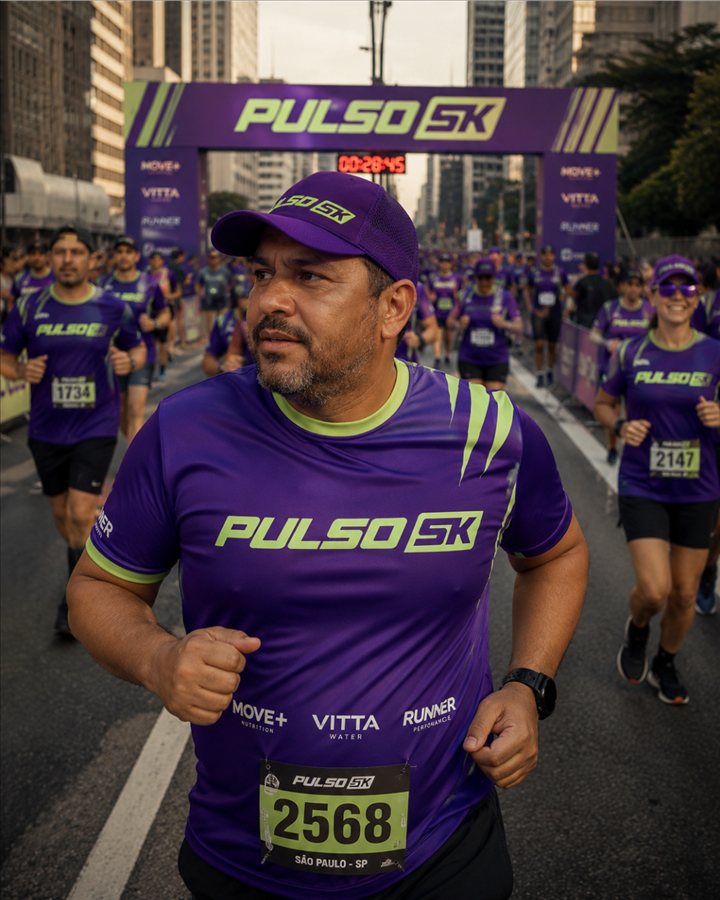
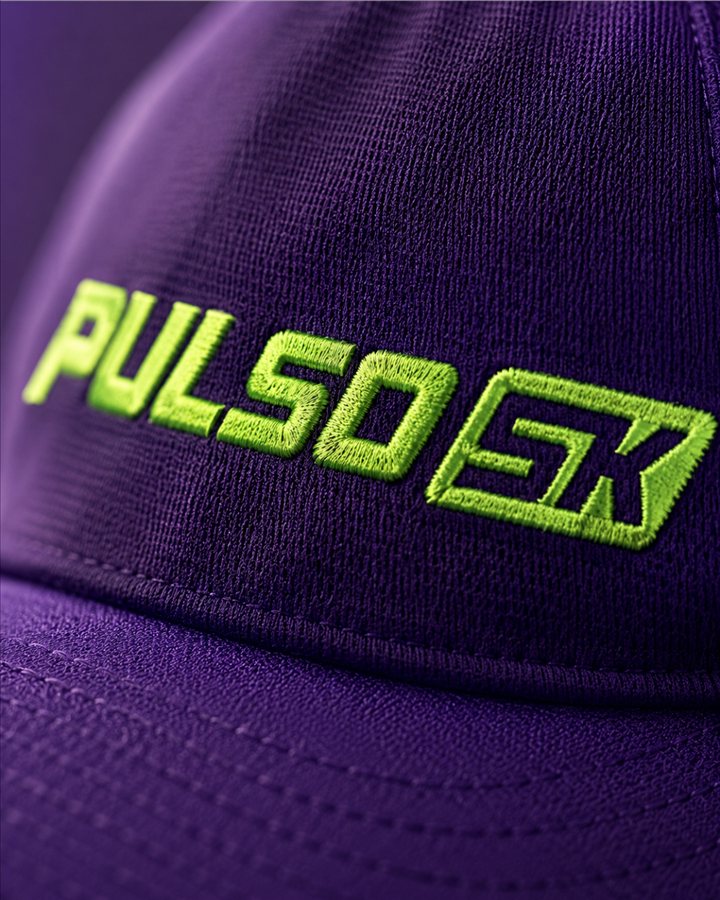
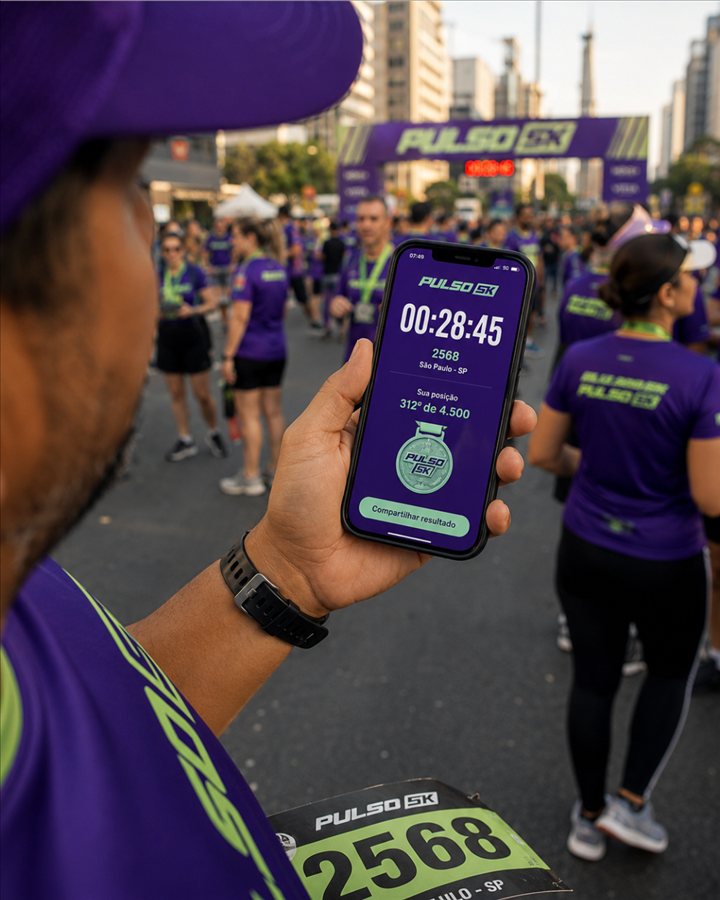
To show what that looks like in practice, I'm using Pulso 5K, our 5K run down Avenida Paulista in São Paulo, as the working example. Same event, five documents, in the order you'd actually build them.
1. Contract & Statement of Work (SOW)
What it's for:
Before anyone touches a vendor, a venue, or a sponsor deal, you need something in writing that says who's responsible for what — and what happens if they're not.
The contract protects the relationship. The SOW protects the execution: scope, deliverables, timeline, and payment terms, spelled out so there's no "I thought you were handling that" three weeks out.
2. Budgeting and Sourcing
What it's for:
This is where you fall out of love with ideas you can't afford — before they're on a mood board with a sponsor's logo next to them.
Every vendor, every quote, every "nice to have" gets tested against the number that actually exists. For Pulso 5K, this is also where route logistics get priced in: closing a downtown street, staffing water stations every kilometer, and — the detail that actually matters — insurance for a race route with elevation changes.
3. Licensing and Permits
What it's for:
This is the document people skip. It's also the one that shuts an event down mid-execution — a food vendor without a permit, a bartender without a license, a street closure nobody filed for.
For Pulso 5K, this covers the city permit to close Av. Paulista, insurance certificates from every vendor on-site, and licensing verification for anyone serving food or alcohol at the finish-line activation.
4. Run of Show
What it's for:
The minute-by-minute script for event day. If it's not written down, it's not going to happen on time — and on event day, "close enough" isn't a schedule.
5. Incident Report
What it's for:
The document nobody wants to use — prepared before you need it, because you will need it. A runner overheats. A vendor's equipment fails. A sponsor's activation gets blocked by weather. When it happens, you don't want to be building a form from scratch.
The takeaway
Five documents. Zero glamour. But they're the difference between an event people remember for the right reasons — and one you get sued over.
If you're planning a special event and don't have these five in place yet, that's the actual starting line.